Egyptian Salt: The Original Elemental Wellness
Salt is the oldest of all medicinal remedies, often referred to as the "white gold" of nature. Even before the Pharaohs united Upper and Lower Egypt and before hieroglyphs adorned temple walls, salt was already influencing human history—preserving food, purifying environments, and healing bodies. In Egypt, a land enriched by the fertile Nile and surrounded by mineral-rich deserts and seas, salt is more than just a single substance. It is a collection of sacred minerals, each with its own unique identity, history, and therapeutic use: the preservative, the purifier, the medicine, the balm.

The Salt of the Land: A Family of Egyptian Minerals
Across Egypt's vast landscapes—from the salt-crusted shores of the Red Sea to the floating hyper-saline lakes of Siwa—nature has deposited a remarkable diversity of therapeutic sodium minerals. Each type of Egyptian salt carries a distinct composition of trace minerals and a correspondingly unique set of wellness benefits. The most significant are:
Sodium chloride (NaCl) — ordinary table salt, but in Egypt, often naturally infused with trace minerals from its unique desert and marine environments.
Natron (a sodium carbonate/bicarbonate mix) — the sacred mineral of the Wadi Natrun, foundational to Egyptian pharmacopoeia.
Magnesium-rich salts — from the Red Sea and Dead Sea (historically accessible via trade), prized for their ability to penetrate the skin barrier.
Ancient Egyptian Knowledge: Natron, Pharmacopoeia, and Salt as Sacred Remedy
The ancient Egyptians' sophisticated medical system, documented in papyri such as the Ebers (c. 1550 BCE), the Edwin Smith (c. 1500 BCE), the Hearst, the Berlin, and the Brooklyn papyri, regarded sodium salts as foundational remedies. In fact, modern research examining the role of sodium salts in Egyptian medicine has concluded that salt and natron were two of the three most commonly used minerals in the Egyptian pharmacopoeia. These medicines were not mere superstition; when the recipes were replicated using modern methods, the substances "worked effectively".
The Ebers Papyrus Legacy
The Ebers Papyrus (c. 1550 BCE) constitutes the most complete medical document from ancient Egypt, comprising some 700 prescriptions gathered from different scholars. In its pages, the Egyptians described the use of masticatories—substances chewed for medicinal purposes without being swallowed. Among these was a non-plant masticatory: natron, which was chewed in the form of "balls and pellets". This practice demonstrates the Egyptians' familiarity with oral administration of salt minerals for systemic effect.
The Edwin Smith Papyrus: Skin Renewal
The Edwin Smith Papyrus, one of Egypt's most renowned surgical texts, reveals recipes for skin renewal that astoundingly combine honey, red natron, and salt, emphasizing the ancient wisdom that guided skincare long before modern dermatology.
Natron in Burn Treatment
We also know from the Ebers and other medical sources that for the treatment of burns, the Egyptians created a remedy by mixing red natron, northern salt, and honey—all of which exhibit potent antiseptic, wound-drying, and antibiotic properties.
Discovery of Mummified Prescriptions
In a remarkable archaeological development, two 3,500-year-old jars found near Thebes—once used in the mummification process—were found to contain a "natron and linen" composite still present among the remains, indicating that medical formulations before the New Kingdom sometimes utilized sodium salts as both internal and external medicines.
The Great Salt Lake of Siwa: Pink Salt from the Western Desert
The Siwa Oasis, located deep within the Western Desert approximately 300 kilometers west of Marsa Matrouh, is a geological treasure where vast underground salt deposits and hyper-saline lakes produce one of the purest salts on earth. Siwa salt has a distinctive pink hue, owing to the presence of iron oxide and other naturally occurring minerals. It is prized for its remarkable 98.5% sodium chloride content and exceptionally low moisture level of only approximately 1.2%.
Wellness Benefits of Siwa Salt
Egyptians have long recognized the natural remedy properties of Siwa salt. The high mineral content is believed to soothe aching muscles, improve circulation, and even alleviate skin conditions. Finely ground Siwa Oasis salt can be incorporated into bath salts for a rejuvenating and detoxifying experience, allowing the body to absorb the rich minerals and emerge feeling refreshed and revitalized. Locals once used to bathe their children in the hyper-saline salt lakes to heal skin-related problems. Visitors today seek out the therapeutic benefits of Siwa salt for skin ailments, sinus issues, rheumatism, and even depression. In recent years, salt caves have been developed in Siwa for halotherapy (salt inhalation therapy); these caves are now being used for the treatment of psoriasis and rheumatism.
Siwa Lakes Geology
The lakes of Siwa are hyper-saline, with salt concentrations reaching up to 95 percent in some pools—far exceeding that of ocean water. This extreme density creates such strong buoyancy that bathers float effortlessly on the surface as soon as they enter. The combination of low annual rainfall, high evaporation rates, and the absence of good drainage led to the formation of these natural wonders, which stand out from the surrounding desert landscape in striking shades of turquoise blue.
The Red Sea and Dead Sea: Mineral-Rich Marine Salts
Egypt's coastlines on the Red Sea provide access to mineral-dense marine salts, while the legendary Dead Sea—though not within Egypt's modern borders—has been accessible via trade and travel for millennia.
Dead Sea Salt Research
Magnesium, one of the key minerals in Dead Sea salt, plays a central role in skin barrier function. A landmark study demonstrated that bathing in a magnesium-rich Dead Sea salt solution improved skin barrier function, enhanced stratum corneum hydration, and reduced skin roughness and inflammation in subjects with atopic dry skin. The treatment was well tolerated and produced no adverse effects.
Separate research on psoriasis patients found that daily bathing in the Dead Sea over a four-week regimen resulted in significant increases in serum levels of minerals (including bromide, rubidium, calcium, and zinc). Notably, these increases were observed only in the psoriatic patients, suggesting that compromised skin more readily absorbs the therapeutic minerals. The improvement of the psoriatic condition was attributed, at least in part, to the minerals' effect on the psoriatic skin.
Halotherapy: Breathing Salt for Respiratory Wellness
In Egyptian wellness centers today, halotherapy (the therapeutic use of salt) has become an established treatment modality for respiratory conditions. By sitting in a salt-lined cave or room while a halo generator releases microscopic salt particles into the air, individuals may find relief from asthma, bronchitis, colds, sinus infections, and rhinitis. The saline particles help reduce inflammation and mucus production, opening airways and promoting easier breathing. This modern form of halotherapy—practiced in Cairo's Phi Salt Cave and in the Siwa Oasis—evokes the ancient Egyptian appreciation for salt's ability to purify the very air we breathe.
Practical Applications: Recipes for Daily Wellness
Incorporating Egyptian salts into your daily wellness routine honors an ancient legacy while delivering measurable benefits for skin, muscles, and respiratory health.
1. Siwa Salt Bath Soak
For aching muscles and skin rejuvenation, dissolve 1–2 cups of finely ground Siwa salt in a warm bath. Add 3–5 drops of lavender or eucalyptus essential oil. Soak for 15–20 minutes. The magnesium and trace minerals will be absorbed transdermally, soothing inflammation and promoting deep relaxation.
2. Natron & Honey Burn Paste
Inspired directly by ancient Egyptian remedies, mix two tablespoons of natron with one tablespoon of raw honey to form a thick paste. Apply to minor burns or skin irritations for 15 minutes before rinsing. The natron's alkaline properties and honey's humectant and antimicrobial activity work synergistically to cleanse, dry, and heal the affected tissue.
3. Daily Salt Water Gargle
Add ½ teaspoon of Siwa or Safaga salt to a cup of warm water. Gargle for 30 seconds to reduce the microbial load in the throat, ease soreness, and freshen breath. This basic oral hygiene practice has roots stretching back to ancient Egyptian masticatory formulations.
4. Halotherapy Simulated Inhalation
To simulate the benefits of salt cave therapy at home, place handfuls of coarse Siwa salt in a wide bowl. Fill the bowl with hot water, then cover your head with a towel and inhale deeply for 5–10 minutes. The microscopic salt particles suspended in the steam may help open congested airways and calm respiratory inflammation.
5. Post-Shaving Soothing Rinse
Red Sea salt, dissolved in cool water, can be used as a final rinse after shaving to calm razor burn and reduce redness. The magnesium and bromide content helps shrink pores, reduce inflammation, and create a protective, antimicrobial barrier.
Across the Ages, Salt Remains
From the natron mines of Wadi al-Natrun—where two of the three most commonly used minerals in the Egyptian pharmacopoeia were extracted—to the pink-hued lakes of Siwa and the mineral-rich shores of the Red Sea, Egypt's salts are a living testament to the enduring power of nature's simplest compounds. These are not merely commodities. They are legacy remedies.
When you dissolve Siwa salt in a bath, you are not simply taking a soak. You are participating in a tradition of mineral therapy as old as Egyptian civilization itself. When a natron poultice draws out the sting of a minor burn, it is replicating a formula prescribed on papyrus 3,500 years ago. When a salt cave clears your sinuses of desert dust, it echoes the ancient recognition that salt purifies not just the body, but the breath itself.
We believe that the elemental materials of the earth are the most profound tools for human wellness. Salt is the most elemental of them all: a mineral so ancient it preserves the memory of seas long evaporated, so potent it transforms the very chemistry of skin and breath. To use Egyptian salt is to touch the deep strata of time—and to feel, quite literally, the foundation of all life.
Medical Disclaimer: The information provided in this article is for educational and historical purposes only and is not intended as medical advice, diagnosis, or treatment. Individual results may vary, and allergic reactions are possible. Consult a qualified healthcare professional before using salt therapies, especially if you have high blood pressure, kidney disease, heart conditions, open wounds, or any chronic health condition. Do not ingest natron. Avoid contact with eyes. The historical uses described do not constitute a guarantee of safety or efficacy. Archaeo-Acoustics is not liable for any adverse effects arising from the use of products mentioned.
About the Author
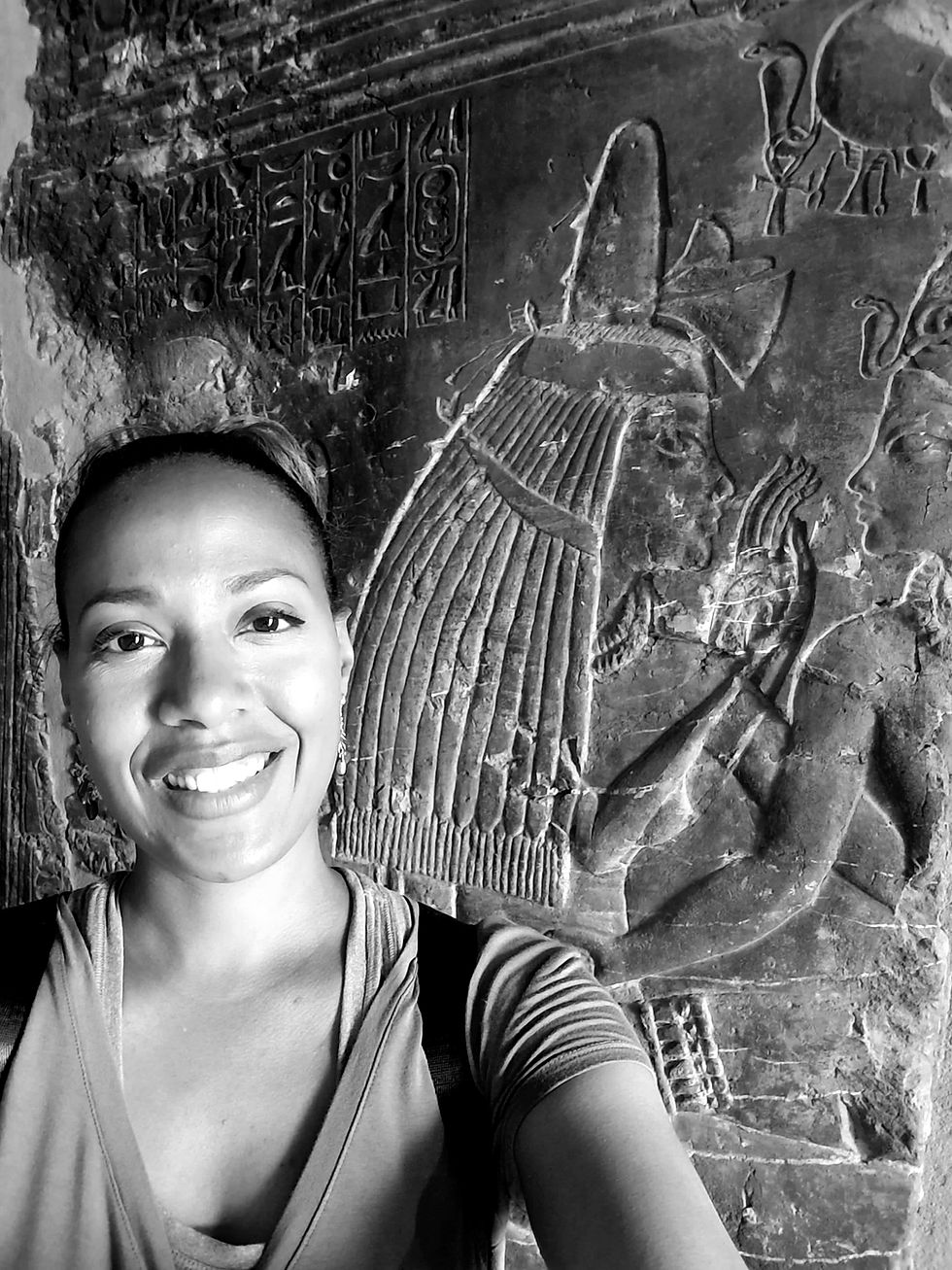
Amanda Victoria Chance, MD, is an Internal Medicine board-certified physician reviving ancient healing practices. Also certified in Lifestyle Medicine, she bridges millennia-old vibrational wisdom with evidence-based lifestyle interventions-- including nutrition, stress resilience, and non-pharmacological therapies-- to activate whole person care. She co-leads transformative healing journeys in Egypt with her husband-- including resonance-based experiences inspired by Saqqara's legendary "healing hospital," a site documented in Gaia's The Pyramid Code through her husband's grandfather's archival legacy.


Comments