Frankincense Oil for Skin in Ancient and Modern Practice
The Tears of the Gods: Frankincense Oil for Skin in Ancient and Modern Practice
Imagine a substance so precious that it was once traded pound-for-pound with gold, so sacred that its smoke carried prayers to the heavens, and so effective that it remains a cornerstone of natural skincare over 5,000 years later. This is frankincense—the hardened resin of Boswellia sacra and related trees—known in Arabic as Luban ("the white") and in ancient Egyptian as "senetjer" (meaning "to make divine").
Today, we explore how ancient sensory wisdom can transform modern wellness. Frankincense represents the perfect bridge between worlds: a substance whose spiritual significance is matched only by its scientifically validated benefits for skin, mind, and body.

Frankincense in Ancient Egypt: The Divine Resin
The Name Speaks for Itself
The ancient Egyptian word for frankincense, "senetjer" (often transliterated as sntr), literally means "to make divine" or "to render sacred." This etymology alone reveals its primary purpose: frankincense was not merely a perfume or medicine but a transformer of space and consciousness.
Textual Evidence from Ancient Sources
The Ebers Papyrus (c. 1550 BCE)
The Ebers Papyrus, one of the oldest and most complete medical texts ever discovered, contains multiple references to frankincense. In Column 60, Line 1-5, a recipe for an anti-aging face mask includes:
"To smooth the skin and remove wrinkles: mix frankincense with wax, fresh oil, and cyperus grass. Apply to the face for six days."
This 3,500-year-old prescription is essentially the world's first documented anti-wrinkle cream—and it features frankincense as its key active ingredient.
The Harris Papyrus (c. 1150 BCE)
This lengthy religious and administrative text records lavish offerings to temples. One passage describes:
"I filled your storehouses with thousands of jars of fat, with myrrh, with frankincense, with the finest oils of the divine offerings."
The sheer quantity mentioned—"thousands of jars"—indicates frankincense was not a rare curiosity but a staple of temple economy and ritual practice.
The Pyramid Texts (c. 2400-2300 BCE)
The oldest religious texts in the world, inscribed on pyramid walls, contain numerous references. In Utterance 667, the deceased king is promised:
"The fragrance of Horus comes to you, the incense of Horus comes to you. Your flesh is purified with senetjer."
Here, frankincense is directly linked to purification of the flesh—both in life and in the journey to the afterlife.
How the Ancients Used Frankincense
1. Temple Rituals: Burned at dawn and dusk to carry prayers to the gods and to purify sacred spaces.
2. Embalming: Mixed with other resins to preserve and scent the body for eternity.
3. Cosmetics & Skincare: Ground into powders for face masks, infused into oils for anointing, and used in anti-aging preparations (as seen in Ebers).
4. Perfumery: A key ingredient in the legendary Kyphi—the complex temple incense that was also worn as a skin perfume.
5. Medicinal: Used in poultices for wounds and in preparations for respiratory and digestive ailments.
The Biochemistry of Frankincense: Why It Works
Modern science has confirmed what Egyptian priests and physicians observed empirically. Frankincense essential oil contains a complex cocktail of active compounds that interact with both skin cells and the nervous system.
Key Chemical Components
Compound | Percentage | Primary Action |
Alpha-Pinene | 15-30% | Anti-inflammatory, bronchodilator, antimicrobial |
Beta-Pinene | 5-15% | Anti-inflammatory, antidepressant |
Limonene | 5-15% | Antioxidant, stress-reducing |
Boswellic Acids (in resin, extracted to oil) | Potent anti-inflammatory, anti-arthritic | |
Incensole Acetate (unique to frankincense) | Anxiolytic (anti-anxiety), TRPV3 activation |
Frankincense Oil on the Skin: Dermatological Benefits
1. Anti-Inflammatory Action: The boswellic acids inhibit 5-lipoxygenase, an enzyme involved in inflammatory processes. This makes frankincense effective for calming acne, eczema, psoriasis, and general skin redness.
2. Cellular Regeneration: Frankincense promotes healthy cell turnover. The a-pinene content encourages the shedding of dead skin cells while supporting the regeneration of new, healthy tissue—the exact mechanism for reducing fine lines and scars.
3. Antimicrobial Protection: The terpenes create an environment hostile to acne-causing bacteria (Cutibacterium acnes) and other skin pathogens.
4. Astringent Effect: It gently tightens pores and tones skin without the harshness of alcohol-based products.
5. Collagen Support: By reducing inflammation and oxidative stress, frankincense helps protect existing collagen and may support its production.
On the Senses: Neurological Effects
The olfactory system is uniquely connected to the brain's emotional and memory centers. Frankincense's aroma directly influences:
1. The Amygdala & Hippocampus: The scent molecules trigger the release of GABA, a neurotransmitter that reduces anxiety and promotes calm. This is why frankincense has been used for millennia to induce meditative states.
2. TRPV3 Receptors: Incensole acetate activates a specific receptor in the brain associated with warmth perception and emotional regulation, creating a subjective feeling of comfort and well-being.
3. Cortisol Reduction: Inhalation of frankincense has been shown in studies to lower cortisol (stress hormone) levels, which indirectly benefits skin by reducing stress-related breakouts and premature aging.
Recipes & Applications: Modern Rituals with Ancient Roots
General Safety Guidelines
Always dilute frankincense essential oil in a carrier oil (1-2% dilution = 3-6 drops per tablespoon carrier)
Perform a patch test before first use; don't use if allergic to ingredients
Use 100% pure, therapeutic-grade oil from reputable sources
Avoid eye contact
Recipe 1: The Ebers Papyrus Anti-Aging Mask (Modern Adaptation)
Inspired directly by the 3,500-year-old recipe from the Ebers Papyrus.
Ingredients:
1 tbsp White Kaolin Clay (gentle base)
1 tsp Raw Honey (humectant)
1 tsp Jojoba Oil (penetrating carrier)
3-4 drops Frankincense Essential Oil
Rose Water (to mix)
Method:
1. Mix dry clay with honey and jojoba oil
2. Add frankincense drops
3. Slowly add rose water until smooth, spreadable paste forms
4. Apply to clean face, avoiding eyes
5. Leave 10-15 minutes (until slightly dry)
6. Rinse with warm water, pat dry, follow with facial oil
Frequency: 1-2 times weekly
Recipe 2: Sacred Anointing Facial Serum
For daily use, this serum nourishes, protects, and elevates the spirit.
Ingredients:
30 ml (1 oz) Desert Date Seed Oil or Jojoba Oil
10 drops Frankincense Essential Oil
5 drops Myrrh Essential Oil (optional, synergistic)
5 drops Vitamin E Oil (preservative and antioxidant)
Method:
1. Combine all ingredients in dark glass dropper bottle
2. Shake gently to blend
3. Apply 3-5 drops to damp skin morning and evening
4. Massage in upward, circular motions
Benefits: Deeply nourishing, anti-aging, aroma-therapeutic
Recipe 3: Temple Purification Steam
For deep cleansing and respiratory benefits—a modern hammam ritual.
Ingredients:
Large bowl of hot (not boiling) water
3-5 drops Frankincense Essential Oil
Handful of dried Chamomile or Rose petals (optional)
Method:
1. Fill bowl with hot water
2. Add essential oil and petals
3. Drape towel over head and bowl
4. Steam face for 5-7 minutes with eyes closed
5. Follow with cool water splash
Benefits: Opens pores, decongests, calms mind, prepares skin for masks
Recipe 4: Frankincense Healing Balm
For dry patches, cuticles, and minor skin irritations.
Ingredients:
2 tbsp Beeswax Pellets
2 tbsp Shea Butter or Camel Butter
2 tbsp Apricot Kernel Oil
15 drops Frankincense Essential Oil
5 drops Lavender Essential Oil (optional)
Method:
1. Melt beeswax, butter, and oil in double boiler
2. Remove from heat, cool slightly
3. Add essential oils, stir well
4. Pour into small tin or jar
5. Allow to set completely before use
Application: Dab on dry elbows, heels, cuticles, or minor irritations
Recipe 5: Dreamer's Pillow Mist
For evening ritual and restful sleep.
Ingredients:
60 ml (2 oz) Rose Hydrosol or distilled water
1 tsp Witch Hazel (dispersant)
10 drops Frankincense Essential Oil
5 drops Lavender Essential Oil
Method:
1. Combine witch hazel and essential oils in small bowl
2. Add to hydrosol in dark glass spray bottle
3. Shake well before each use
4. Mist lightly on pillow and linens before sleep
Benefits: Calms mind, promotes vivid dreaming, creates sacred sleep space
Conclusion
When you apply frankincense oil to your skin, you are participating in a tradition that spans 5,000 years of human history. The same compound that Egyptian priests burned to carry prayers to the gods now works at a molecular level to calm inflammation and regenerate your skin cells. The same scent that Cleopatra wore as perfume now triggers neurochemical responses that reduce your stress and elevate your mood.
Frankincense reminds us that true wellness integrates body, mind, and spirit. It is not merely a skincare ingredient—it is a daily ritual connecting us to the sacred, to the ancient world, and to the profound intelligence of the natural world.
We believe that the wisdom of the past holds keys to our future well-being. Frankincense is one such key—a gift from the trees of Arabia and the priests of Egypt, waiting to be rediscovered in our modern lives.
Scientific References
1. Ammon, H. P. T. (2016). Boswellic acids and their role in chronic inflammatory diseases. Advances in Experimental Medicine and Biology, 928, 291-327.
· Details the mechanism of boswellic acids in inhibiting 5-lipoxygenase.
2. Moussaieff, A., et al. (2008). Incensole acetate, an incense component, elicits psychoactivity by activating TRPV3 channels in the brain. The FASEB Journal, 22(8), 3024-3034.
· Groundbreaking study on how frankincense compounds directly affect brain receptors.
3. Al-Yasiry, A. R., & Kiczorowska, B. (2016). Frankincense—therapeutic properties. Advances in Hygiene and Experimental Medicine, 70, 380-391.
· Comprehensive review of frankincense's medicinal applications.
4. Ebers Papyrus (c. 1550 BCE). Translated by B. Ebbell (1937). The Papyrus Ebers: The Greatest Egyptian Medical Document. Copenhagen: Levin & Munksgaard.
· Primary source for ancient Egyptian medical use.
5. Bryan, C. P. (1930). The Papyrus Ebers: Ancient Egyptian Medicine. London: Geoffrey Bles.
· English translation with commentary.
6. Faulkner, R. O. (1969). The Ancient Egyptian Pyramid Texts. Oxford: Clarendon Press.
· Primary source for religious use of frankincense.
7. Breasted, J. H. (1906). Ancient Records of Egypt. Chicago: University of Chicago Press.
· Historical context for temple offerings and trade.
8. Duke, J. A. (2002). Handbook of Medicinal Herbs. Boca Raton: CRC Press.
· Phytochemical and pharmacological data.
Medical Disclaimer:
The information provided in this article is for educational and historical purposes only and is not intended as medical advice, diagnosis, or treatment. Frankincense essential oil is a potent botanical extract; individual results may vary, and allergic reactions are possible. Always perform a patch test before topical use and consult a qualified healthcare professional before using essential oils, especially if you are pregnant, nursing, have a pre-existing medical condition, or are taking prescription medications. The historical uses described do not constitute a guarantee of safety or efficacy. We are not liable for any adverse effects arising from the use of products mentioned.
About the Author
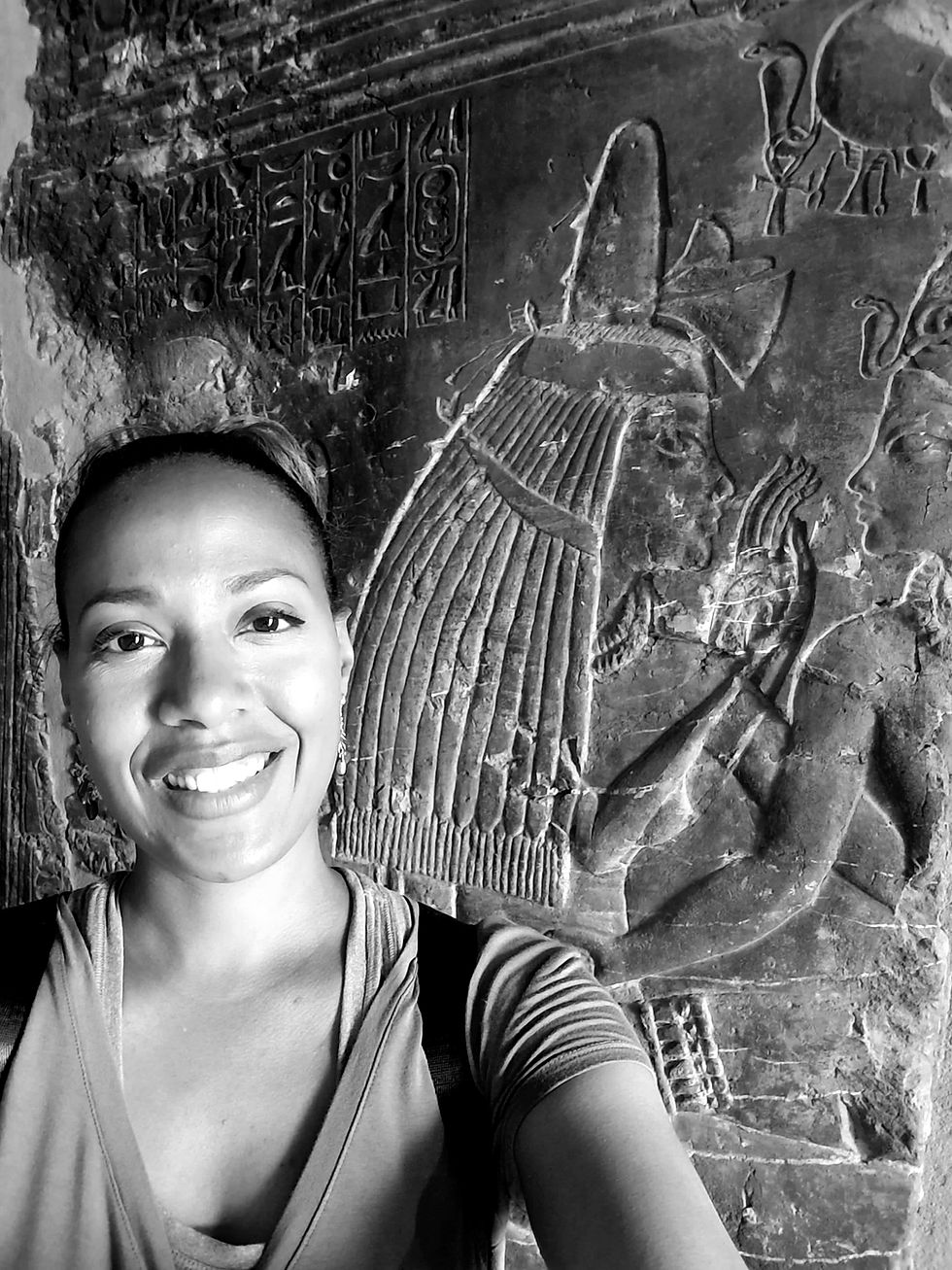
Amanda Victoria Chance, MD, is an Internal Medicine board-certified physician reviving ancient healing practices. Also certified in Lifestyle Medicine, she bridges millennia-old vibrational wisdom with evidence-based lifestyle interventions-- including nutrition, stress resilience, and non-pharmacological therapies-- to activate whole person care. She co-leads transformative healing journeys in Egypt with her husband-- including resonance-based experiences inspired by Saqqara's legendary "healing hospital," a site documented in Gaia's The Pyramid Code through her husband's grandfather's archival legacy.


Comments