The Crimson Elixir: How to Make Egyptian Hibiscus Tea & Its Ancient Roots
The Pharaohs’ “Sour Water”: A Drink of Sun Gods & Survival
Long before it sweetened modern Ramadan iftars, hibiscus (Hibiscus sabdariffa) was known to the ancient Egyptians. While direct archaeological evidence is elusive, ethnobotanists and historians widely believe it was cultivated along the Nile, referred to in texts as “Enset” or simply “sour water.”

Its vivid, ruby-red color was its first magic. To a civilization that saw divinity in the natural world, this hue mirrored the life-giving Nile at sunrise and sunset—the blood of the earth, given by the gods. It was associated with Hathor, goddess of joy, music, and motherhood, and with Sekhmet, the powerful lioness goddess of healing and, when angered, pestilence. The drink thus walked a line between celebration and potent medicine.
How the Ancients Used It:
Medicinal Tonic: Papyri suggest it was used to lower fever, soothe heart and nerve disorders, and as a diuretic. Modern science confirms this: hibiscus is rich in Vitamin C, antioxidants, and anthocyanins.
Cooling Elixir: In the relentless heat, a cool, tart drink was a practical blessing for laborers and elites alike.
Ritual & Symbolism: Its color made it a likely liquid offering in rituals, symbolizing vitality, rebirth, and the cyclical power of the sun.
The Recipe: Karkadé- Modern Egyptian Hibiscus Tea (Hot & Iced)
This isn’t just tea; it’s a simple ritual connecting you to that ancient Nile bank.
Ingredients:
· 1 cup (about 40g) dried hibiscus petals (karkadé)
· 4-5 cups cold water
· Sweetener: Egyptian cane sugar or honey (traditional), or agave. Authentic Karkadé is sweet.
· Optional Ancestral Flavors: A cinnamon stick (associated with ancient embalming and sacred aroma), 3-4 cloves, or a slice of fresh ginger.
Method:
The Purification: Briefly rinse the dried petals under cool water. This cleans and awakens them.
The Sacred Simmer: In a non-reactive pot (stainless steel, enamel—avoid aluminum), combine petals, water, and any spices. Bring to a boil, then reduce heat to low. Cover and simmer for 15-20 minutes. The longer the simmer, the deeper the color and tangier the flavor—a balance of patience and intention.
The Strain: Strain the deep crimson liquid into a pitcher, pressing the petals gently to extract all their essence.
The Sweetening: Add sweetener to the hot liquid while stirring until fully dissolved. Taste. It should be boldly tart and sweet, like the contrast of desert and oasis.
To Serve:
Hot: Serve immediately in glasses. It is a warming, comforting drink on a cool evening.
Iced: Let it cool to room temperature, then refrigerate. Serve over cubes of ice that clink in the glass—the sound of modern Egyptian hospitality. Garnish with a mint sprig.
The Archaeo-Acoustic Note: Listen to the process. The simmer is a low, steady rumble. The pour is a liquid cascade. In ancient homes, these were the comforting, familiar sounds of preparation and care.
Hibiscus & Consciousness: Connecting Pulse to Planet
Drinking Karkadé does more than quench thirst. Biochemically, it’s a vascular harmonizer. The antioxidants promote healthy blood flow and gently lower blood pressure. In many traditions, a calm, flowing cardiovascular system is the physical foundation for a calm, present mind. It literally helps your body’s internal “Nile” flow smoothly, potentially easing the physiological noise of stress and allowing for clearer perception.
This connects us to the natural world on a cellular level. Consuming the flower is an act of absorbing sunlight (captured in its pigments) and mineral-rich earth. It’s a direct, intimate transaction with the plant kingdom, a reminder that our well-being is inextricably linked to botanical well-being.
Hibiscus in the Web of Life: Allies in the Animal & Plant Kingdoms
The hibiscus plant is not an isolated entity; it’s a vibrant hub in an ecological network.
Animal Allies:
Hummingbirds & Pollinators: The vibrant, trumpet-shaped flowers are evolutionary masterpieces designed to attract hummingbirds, butterflies, and bees, offering nectar in exchange for pollination.
Lac Insects: Some species of hibiscus are host plants for lac insects, whose resin (shellac) has been used for millennia.
Foraging Herbivores: In the wild, leaves and flowers provide forage for various animals.
Plant Community Benefits:
Companion Planting: Gardeners use hibiscus as a “trap crop” to attract pests like aphids away from more vulnerable plants.
Soil Health: As a deciduous plant, it contributes organic matter to the soil.
Natural Dye: Beyond drink, the petals have been used for centuries to create brilliant, natural red and purple dyes for cloth—another ancient Egyptian specialty.
The Ritual Conclusion
To make and share Egyptian hibiscus tea is to participate in an ancient cycle. You are:
Using a plant revered for millennia.
Partaking in a biochemical harmony that quietens the body to hear the world more clearly.
Engaging in an act of ecological reciprocity.
Performing the fundamental, ancient Egyptian act of hospitality: offering the crimson gift of the earth to nourish and connect another.
Try the recipe. Share it. Feel the connection.
What’s your experience with herbal teas that connect you to history or nature? Share in the comments.
This article is part of our ongoing exploration.
For the full context and next week's insight, subscribe below.
Dive Deeper: Explore the full sensory and historical world of Egyptian hospitality in our upcoming book, The Egyptian Hostess Companion, where every drink tells a 5,000-year-old story.
About the Author
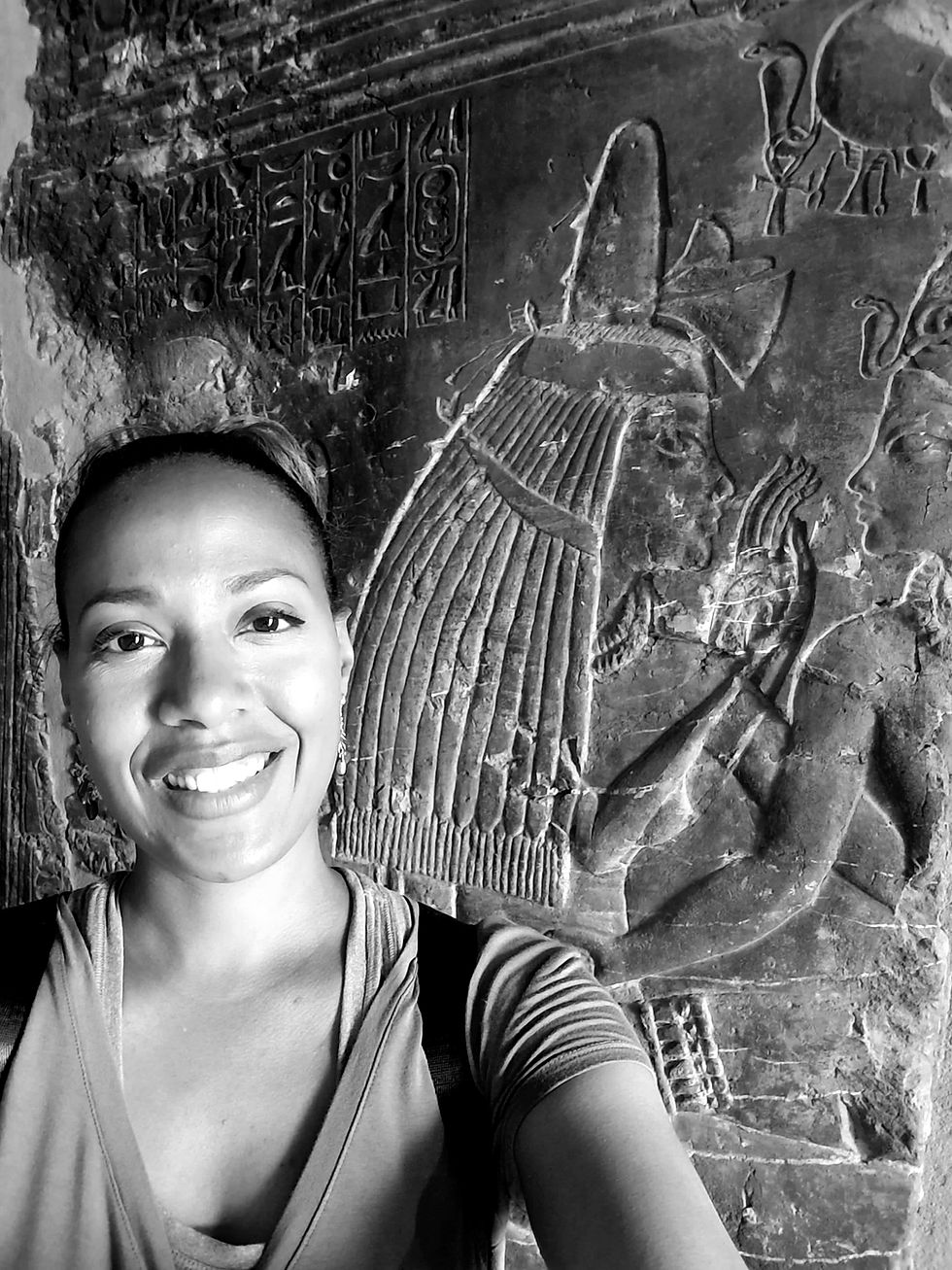
Amanda Victoria Chance, MD, is an Internal Medicine board-certified physician reviving ancient healing practices. Also certified in Lifestyle Medicine, she bridges millennia-old vibrational wisdom with evidence-based lifestyle interventions-- including nutrition, stress resilience, and non-pharmacological therapies-- to activate whole person care. She co-leads transformative healing journeys in Egypt with her husband-- including resonance-based experiences inspired by Saqqara's legendary "healing hospital," a site documented in Gaia's The Pyramid Code through her husband's grandfather's archival legacy.


Comments